There have been seasons where I’ve spent more time studying the scriptures- reflecting, really diving in.
And there have also been seasons where I’ve felt good if I read one verse.
Both matter.
Scripture study doesn’t have to look one specific way to be meaningful. Sometimes we have more time and mental space to go deeper, and other times we need something simple and doable. I’ve found that having a few different ways to study scripture helps me stay more consistent, even when life feels full.
This post isn’t about doing everything perfectly. It’s simply a collection of meaningful and flexible scripture study methods—so you can find what works for you in the season you’re in.
Different Ways to Study Scripture
Here are a few simple ways to study scripture:
Verse-by-verse study (including verse mapping)
Topical study
SOAP method
Guided study
Simple reading
These are simple overviews—if you find one you enjoy, you can always explore it more deeply.
Verse-by-Verse Study
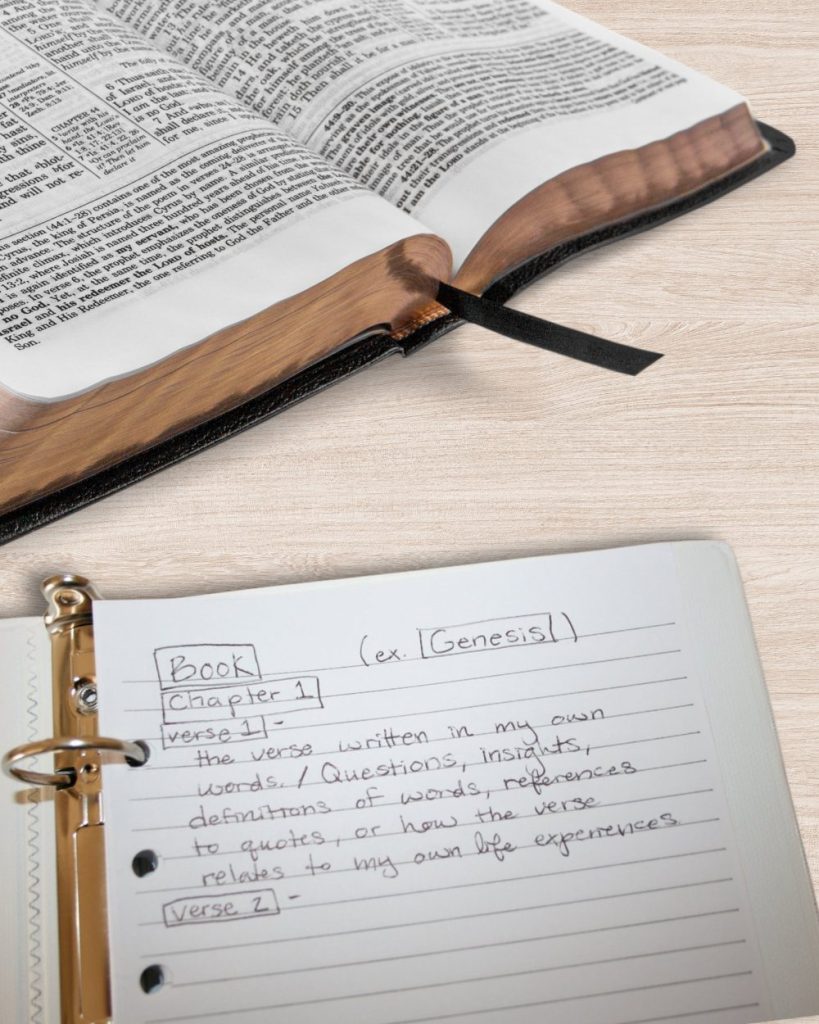
Verse-by-verse study is exactly what it sounds like- slowing down and working through scripture one verse at a time. Instead of reading a large section, you pause and take time to focus on a single verse, writing down thoughts, questions, or impressions as you go.
Sometimes this kind of study can go even deeper by looking at specific words, exploring meanings, or finding related verses. You might hear this called “verse mapping,” but it can be as simple or as detailed as you want it to be.
Why it works:
- Helps you notice details you might otherwise miss
- Gives you time to really think about what you’re reading
- Makes scripture study feel more intentional
This is one I’ve done using a simple lined notebook- nothing complicated, just moving at my own pace and writing as I go. I can stop after one verse or continue through a chapter. It’s a simple and effective way to slow down and understand things more deeply.
Topical Study
like faith, gratitude, or the life of Christ-like faith, gratitude, Christ’s life- and gathering verses that relate to it. It’s a great way to notice patterns and gain a deeper understanding of a subject.
Why it works:
- Helps you recognize themes across different scriptures
- Encourages deeper reflection on a topic
- Builds understanding over time
This is one I like to use when I want to learn more about something specific. I often study digitally and tag verses by topic as I read, which makes it easier to come back to them later. If you use a physical set of scriptures, you can use a topical guide or even create your own list of verses.
SOAP Method
The SOAP method (Scripture, Observation, Application, Prayer) is a simple and structured way to study a verse or passage.
You write:
- The scripture
- Your observations
- How it applies to your life
- A short prayer
Why it works:
- Clear and easy to follow
- Helps you go a little deeper without overcomplicating things
- Simple to remember and use regularly
This is a great method if you like having a step-by-step approach. You can easily do this in any notebook.
Guided Scripture Study
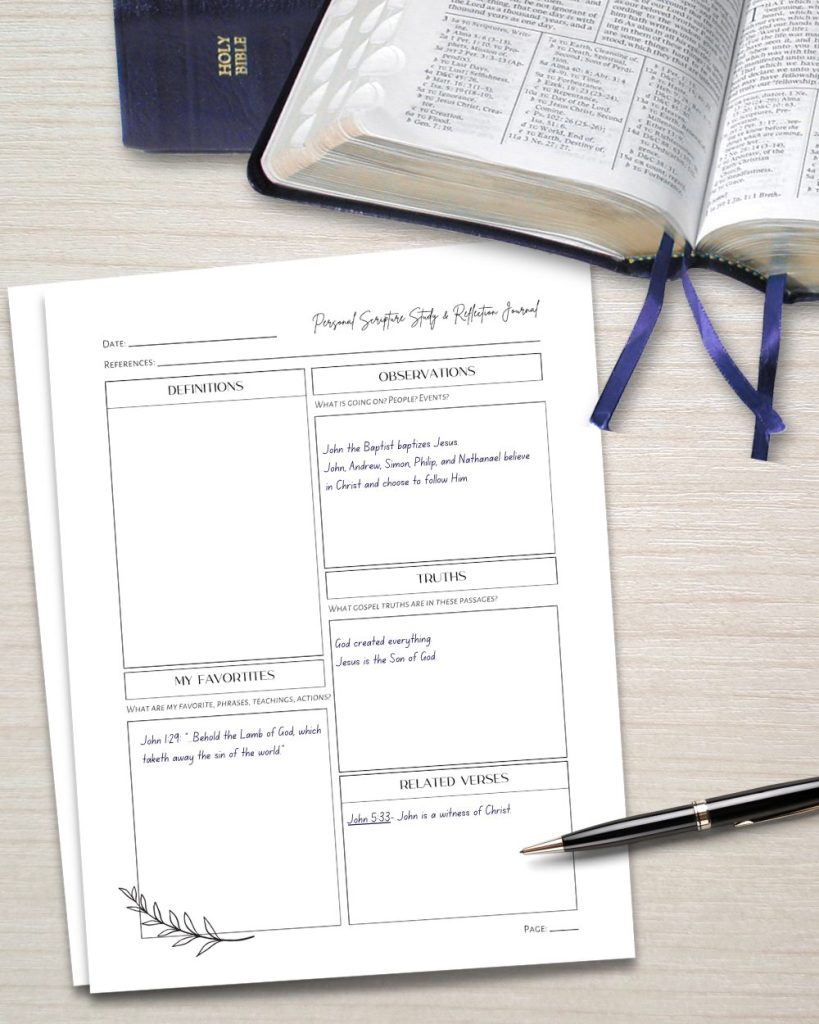
Guided scripture study is a way to add structure to your study without making it complicated. Instead of wondering what to write or focus on, you have prompts to guide your thoughts.
This is one I like to use when I want a little more direction but still want the flexibility to choose what I’m studying. It works whether you’re focusing on a single verse or a longer passage.
A guided approach can include prompts like:
- Definitions
- Observations
- Truths learned
- Favorite verses
- Related scriptures
- Insights, impressions, or promptings
- Questions
- Personal application
- Themes
- Key takeaways
Having prompts like this helps you slow down and think more deeply without overcomplicating the process.
This is also the kind of structure I’ve built into the scripture study journals I’ve created, because I’ve found these prompts helpful in my own study. It’s something I come back to when I want my study to feel more intentional while still staying flexible.
When You Only Have Time for One Verse
Some seasons are busier than others, and sometimes it’s harder to get into the right headspace to study deeply.
Reading one verse still counts.
I’m not perfect at this, but focusing on just one verse feels doable. That one verse can give you something to think about throughout your day. Those small efforts matter—and they help build consistency over time.
Finding What Works for You
There isn’t one “right” way to study scripture. Different methods serve different purposes, and what works for you may change depending on the season you’re in.
You don’t have to choose just one. Try different scripture study methods and see what helps you feel more connected and intentional in your study.
For me, I simply try to show up in whatever way I can. Some days that looks like deeper study, and other days it’s just a few quiet moments with a single verse.
And both are enough.
If you’re also trying to make scripture study work as a family, that can look a little different too. I’ve shared a few simple ideas here: Is Family Scripture Study a Struggle? Here’s How to Make it FUN! (Yes, Even for Teens!)